
With lung diseases like asthma, chronic obstructive pulmonary disease (COPD), and lung cancer threatening millions of lives globally, the situation in the Philippines adds an even greater urgency. Nearly 5.2M people were affected by asthma in the Philippines in 20191, while COPD affects an estimated 13M Filipinos in the Philippines in 20112. Meanwhile, lung cancer is the second most common type of cancer locally, but ranks number 1 cancer killer in the Philippines with over 20,000 deaths in 2022.3
The Philippines has the 2nd highest mortality for asthma in the world4. Moreover, in 2023, COPD is the 7th leading cause of death5, while cancer is the 2nd leading cause of death with half of these cancers due to lung cancer.
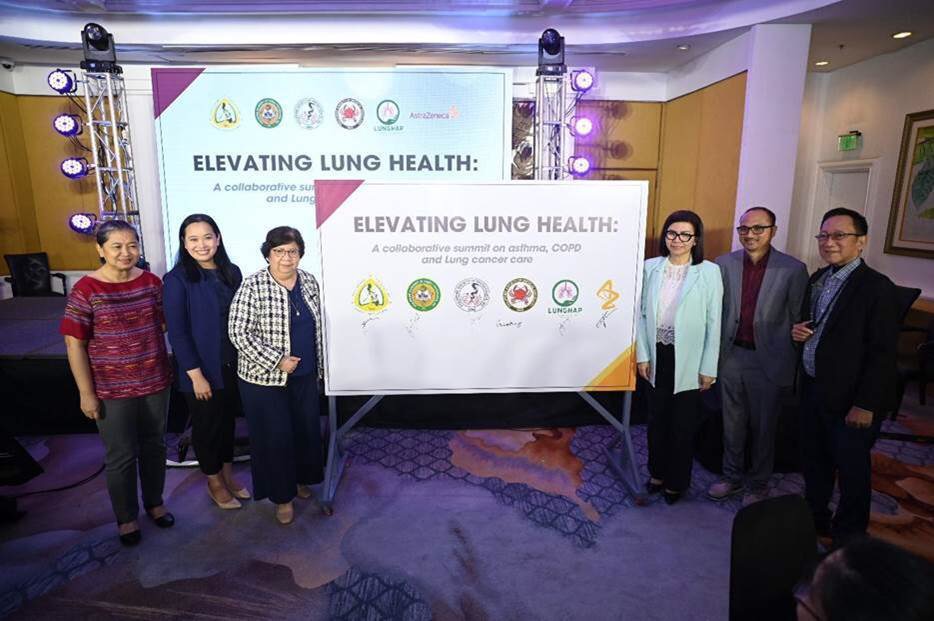
These staggering numbers hint at something critical: lung diseases are not just medical conditions but societal challenges demanding immediate attention. Stakeholders, medical experts, and advocacy groups came together recently for Elevating Lung Health – a collaborating summit on Asthma, COPD, and Lung cancer. Coordinated by global science-led pharmaceutical company AstraZeneca, the summit brought sharp focus to the problem and proposed solutions, with experts from the Philippine College of Chest Physicians, Philippine Society of Oncologists, Philippine Society of Medical Oncology, Philippine Academy of Family Physicians, Lung Health Alliance Philippines (LungHAP), among others.
“At AstraZeneca, we have a bold ambition: to eliminate asthma attacks, improve outcomes for COPD, and address lung cancer as a leading cause of mortality by 2030 through earlier diagnoses and innovative care. Progress is possible when we unite our efforts, and this summit stands as a powerful testament to our shared commitment to building a healthier future for Filipinos,” said Dr. Cyril Tolosa, Medical Affairs Director at AstraZeneca Philippines. “For those living with these conditions, the burden often extends far beyond physical symptoms — it affects their emotional well-being, their families, and their communities. We are here today because we believe this is unacceptable. And we are here because we know that working together makes progress possible.”
Insights from Physicians and Patients
To paint a clear picture of the state of lung health care in the Philippines, Dr. Ma. Janeth T. Samson, president of the Philippine College of Chest Physicians and Head of the Institute of Pulmonary Medicine at St. Luke’s Medical Center, outlined the critical gaps in diagnosis and rehabilitation for asthma and COPD patients, emphasizing the necessity for robust pulmonary support systems.
“Despite the advancements in medical science around the world, there remains a significant gap in the early diagnosis and comprehensive care of asthma, COPD, and Lung Cancer care in the Philippines. Addressing these gaps requires support systems, increased awareness, and access to attainable diagnostics and rehabilitation services. Collaboration among healthcare providers, policymakers, and the local communities is essential to ensure that no patient is left behind.”
Complementing Dr. Samson’s data-driven insights, Mr. Amador Agasin, who has been living with asthma for years, shared his personal story, adding a human perspective to the statistics. Mr. Agasin painted a raw picture of what it is like to live with asthma, from the emotional toll to the logistical challenges of receiving care.
Addressing Barriers to Care
From the standpoint of cancer experts, Dr. Chita I. Nazal-Matunog, current president of the Philippine Society of Medical Oncology, and Dr. Herdee Luna, immediate past president of the Philippine Society of Oncologists, discussed the unique behavior and biology in Filipino lung cancer patients and the need to have our own guidelines and screening strategies based on our own epidemiology. They highlighted how an absence of comprehensive screening programs puts Filipino patients at a disadvantage, often limiting them to late-stage diagnosis, when curative options are no longer viable.
“Filipino patients face unique challenges when it comes to lung cancer, from late-stage diagnoses to limited access to comprehensive screening. It is crucial to develop localized guidelines and screening strategies tailored to our population. By creating community-based hubs, we can bring life-saving early detection services closer to those who need them most.”
Patient advocacy groups like LungHAP (Lung Health Alliance of the Philippines) spotlighted the non-medical barriers patients face, including financial stress and the stigma of living with lung disease. Engr. Emer Rojas, LungHAP President, and lung cancer survivor, spoke passionately about the need to identify champions — be they from government, patient communities, or the medical field — to spearhead the fight against lung diseases.
“Lung disease affects more than just the patient; it impacts families and communities,” said Dr. Ma. Janeth Samson. “Financial constraints and stigma are barriers that we must break down together. By partnering with the government, patient communities, and healthcare fields, we can lead the fight against lung disease and create a healthier future for Filipinos.”
Promoting Healthy Lung Habits
Promoting healthy lung habits was another key focus of the summit, highlighting proactive measures to protect lung health. These include avoiding tobacco products, staying physically active, minimizing exposure to air pollutants, recognizing early warning signs such as wheezing, persistent coughs, or shortness of breath, and ensuring regular health screenings for early detection of potential issues.
“Prevention is always better than cure,” said Dr. Ma. Janeth Samson. “Avoiding tobacco products, minimizing exposure to air pollutants, staying active, and recognizing early symptoms like persistent cough or shortness of breath can go a long way in protecting lung health. Regular check-ups and screenings are also vital to catching potential issues before they become severe.”
The Road Ahead for Lung Health
Looking into the future, Dr. Samson expressed excitement for new technologies — such as AI-powered diagnostic tools for cancer screening and new biologics for asthma and COPD — which are transforming how clinicians detect and treat respiratory diseases. Similarly, Dr. Josefina Isidro-Lapeña, president of the Philippine Academy of Family Physicians, proposed a more integrated model of care, bridging the gap between primary care physicians and specialists to create seamless referral and treatment pathways.
Engr. Rojas also pointed out that peer-to-peer support groups could be a powerful extension of medical interventions. He called for continued collaboration among public institutions, healthcare providers, and advocacy groups to build environments where patients feel empowered and supported to seek care early and regularly.
This collaborative summit underscored not only the urgency but the opportunity to transform lung health in the Philippines through innovation, awareness, and empathy. Dr. Anna Guia O. Limpoco closed the productive event, with this timely and relevant reminder:
“This summit has shown us the power of collaboration and shared commitment. Together, we can transform lung health in the Philippines through innovation, awareness, and empathy. The road ahead is challenging, but it is also full of potential to make a lasting impact.”
 Virgie Cheng On The Go